

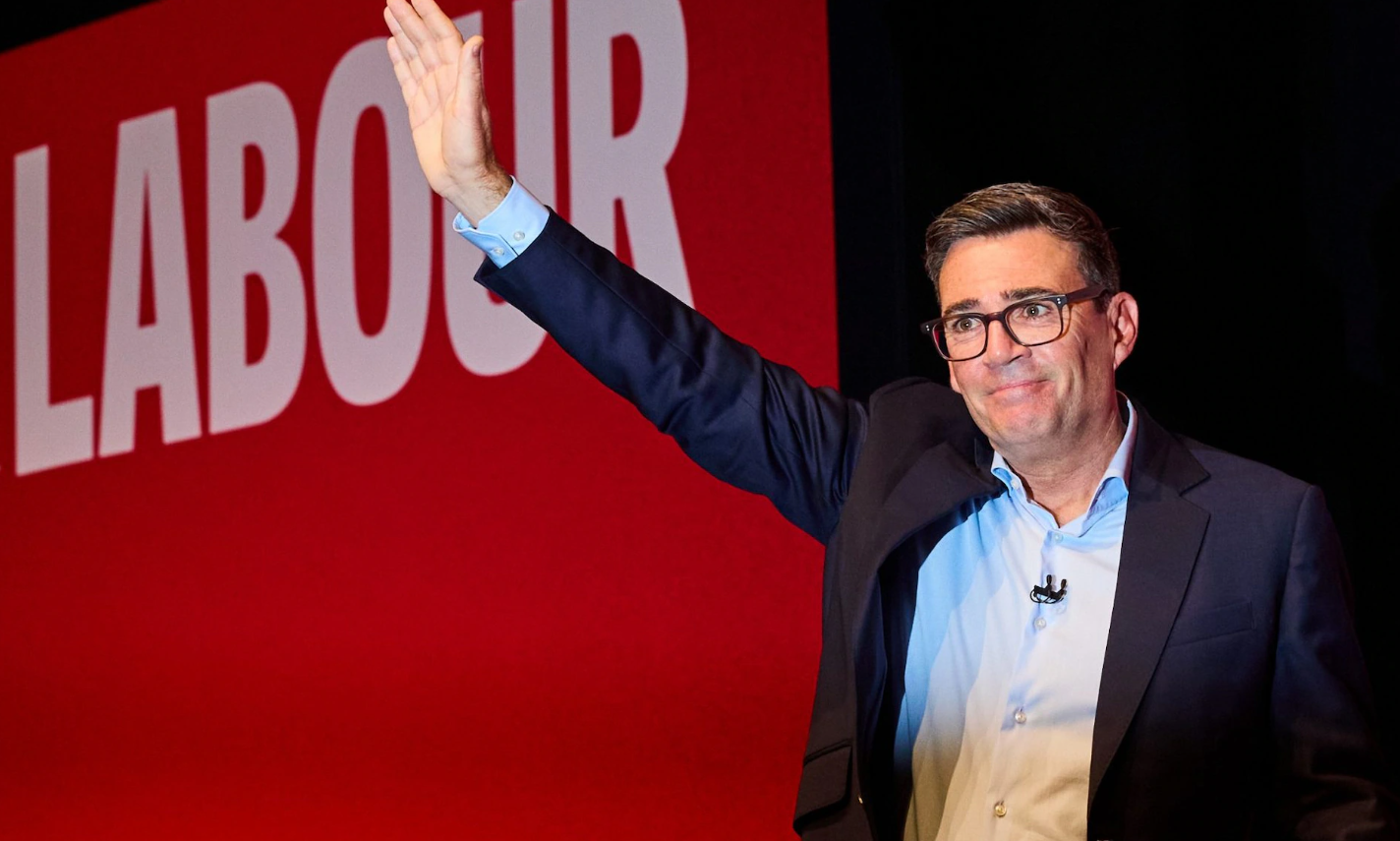
Andy Burnham plans to pass a law scrapping the triple lock before the next election despite Labour pledging in its 2024 manifesto to keep it intact and the PM himself previously saying it would stay until 2030. The Telegraph has more.
Despite the Prime Minister having previously said the policy would remain in its current form until 2030, No. 10 has said MPs will vote on plans to reform it before the election.
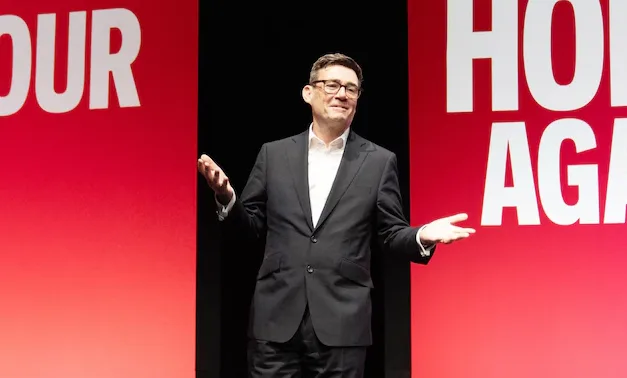
Burnham announced his intention to abandon the commitment to link state pension rises to inflation, earnings or 2.5% to fund free social care in his speech at Labour Conference on Tuesday.
He pledged to end the triple lock following the next election, set to take place in 2029, at which point he would adjust it. But No. 10 has said the Government will legislate for the change during this Parliament.
The announcement sets up a divisive debate in Parliament on the issue, and also means the next election will be a fight over whether other parties would keep Labour’s changes to the triple lock in place.
Helen Whately, the Shadow Work and Pensions Secretary, said: “Labour stood on a manifesto to keep the triple lock. Andy Burnham should get a mandate from the public if he wants to change it.
“Funding a National Care Service through cuts to the state pension does not add up. Labour will raise taxes to make up the difference.
“The triple lock is Conservative policy. Rather than going after pensioners who cannot work, a Conservative government would get the economy growing again and make cuts to the welfare bill.”
Robert Jenrick, Reform UK’s Treasury Spokesman, said: “Andy Burnham is not being straight with the British public.
“He told us he wouldn’t be touching the triple lock until 2030. Now we find out he’s legislating for his plan to rob pensioners during this Parliament.
“Reform UK will always back our pensioners. We’ll keep the triple lock by cutting wasteful spending on migrant benefits, foreign aid and mad Net Zero subsidies.”
Reform has pledged to reinstate the triple lock and put it in its manifesto.
The Conservatives have said they support the triple lock, and it is in their draft manifesto.
Worth reading in full.

Discussion
Comments
This week across the site:
To join in with the discussion please make a donation to the Daily Sceptic.
Profanity and abuse will be removed and may lead to a permanent ban.
Ah. Yes. Well. Our Andy can’t be held responsible for what was put in the manifesto when he wasn’t even an MP when it was written.
Typical hypocrisy.
From DDG Search Assist: Did Andy Burnham call for Rishi Sunak to call an election?
Andy Burnham’s Call for an Election
Yes, Andy Burnham did call for a general election when Rishi Sunak became Prime Minister. He argued that the public should have a say in leadership changes, emphasizing the importance of democratic processes.
Current Stance on Early Elections
Despite his previous calls for an election, Burnham has since ruled out the possibility of calling an early election for himself. He stated that his focus is on governing and addressing pressing issues rather than initiating a political campaign.
Key Points
Well ladies and gentlemen… we (some of us) have been here before.
1974 Labour government: introduced the earnings-or-prices-whichever-was-higher principle. 1975: the arrangement became statutory under the Social Security Act 1975. 1976–79: the Labour government itself did not always fully deliver the earnings increase; there were disputes over the method of calculation. 1979: Margaret Thatcher’s Conservative government came to power. 1980: Patrick Jenkin introduced legislation ending the earnings link; from November 1980 pensions were uprated with prices rather than earnings. “The Conservative argument was essentially that the existing system produced a “ratchet effect”: pensioners received whichever was higher, prices or earnings, so over time pensions could rise faster than both. Jenkin argued that this was becoming financially unsustainable.”
That the pensions system was seen to be a time-delayed future disaster within ten years of its introduction as part of the Welfare State, is beyond dispute. The fact that no Government has actually tried to resolve it over the last 70 years is also beyond dispute.
That those pensioners now whinging and whining about it ignored the well publicised problem their whole lives and did nothing to provide for themselves rather than be State dependant, is also beyond dispute.
… Read more »
The element most likely to ratchet-up the value of the state pension is/was the fixed 2.5% minimum increase. If inflation and average wages are static why should state pensions increase at all? The state pension should be a safety net for those who fail to provide for themselves. Instead, like so much else, it has been elevated to ‘the state will provide‘. I would agree that changing the deal at this stage is fraught with difficulty.