

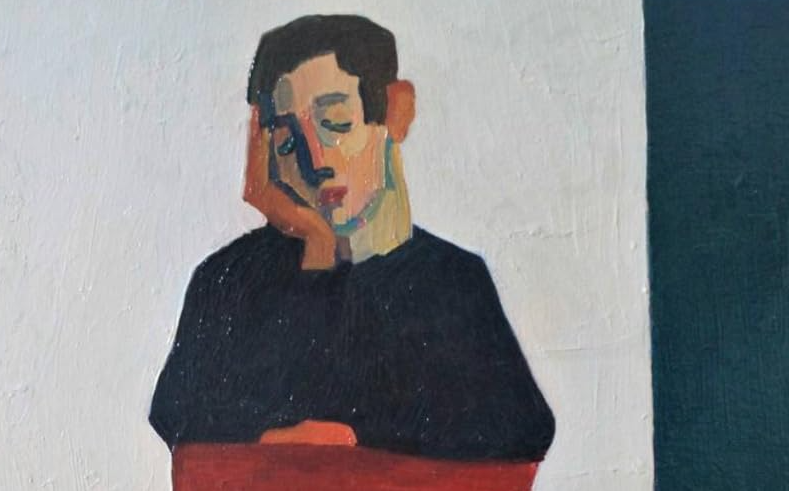
The origins of the genre are disputed and possibly go back to Jude the Obscure (1895) by Thomas Hardy. In the modern age we have had The Masters (1951) by C.P. Snow. A more recent addition to the genre was The History Man by Malcolm Bradbury (1975).
Unlike the comic arm of the genre, undoubtedly kicked off by Kingsley Amis with Lucky Jim (1954) and then picked up in the 1960s by David Lodge, some of whose works are hilarious, none of the more serious campus novels could fairly be described a page-turner. And then there was The Trials of Maurice Brophy by Marcus Bland. As campus novels go, this one is a cracker. Frankly, I found this book hard to put down from the start. And the more I progressed, the more gripped I became.
The Trials of Maurice Brophy is fictional but some of the characters are based on real people known to the author. The action opens at a dreadful dinner party – the kind we have all experienced and dread – to which the protagonist, Maurice Brophy, is invited in London. Brophy is a Cambridge musicologist whose speciality is the works of Richard Wagner (alarm bells!) He has spent the last 10 years writing a book on his musical hero which is on the verge of publication.
The dinner party is hosted by Seth and his wife, who are Jewish, and it is a shabbat dinner. He was invited indirectly by his friend David Brockman, also Jewish, and Brophy refers to him as “Halbjude” (half Jew) which Brockman had insisted on being called since their days at university. However, for reasons which become clear later in the book, Brockman does not welcome the name on this occasion. He is with his fiancée, and they are leaving for the United States.
As the other guests arrive, Brophy does not take to them. One attractive young lady is described as probably being into “yoga and herbal tea and lentil based cooking”. It is not a compliment. The conversation turns to sustainable eating and humane slaughter. Then the evening goes from bad to worse, through ‘wholesome’ food to Brophy’s admission that he studies Wagner.
The host’s father, it turns out, is the head of a group in Israel that opposes performances of Wagner’s music on the grounds of his antisemitism. Brophy continues to dig himself a hole by explaining what he knows about Wagner, his influences and Hitler’s love for his music. Brophy concludes that arguing is pointless, noting that, “Nuance was a concession to bigotry. Disagreement was blasphemy.”
He was clearly viewed as “an apologist for antisemitism” and “David Irving gate-crashing a holocaust memorial”. I should clarify that Brophy is none of these things. In fact, the publisher of his book is Jewish and his star research student at Cambridge is black. Brophy makes his apologies, escapes as soon as possible and makes his way back to Cambridge.
The taxi to the station crosses Trafalgar Square where Brophy sees that the National Gallery is on fire and witnesses some men in military style khakis being savagely beaten. He has no idea how significant this event is going to become.
Back in Cambridge, Brophy’s book on Wagner is published. Expecting some plaudits for bringing this 10-year project to completion, he waits in vain. Instead, soon after publication, Brophy attends a sparsely attended celebration to mark the publication of his book. Things take a further downturn when his faculty head tells him that a complaint has been made against him. Specifically, some students – mainly white and all of whom he knows intimately having taught them – have written a letter to the faculty committee complaining “that the book whitewashes fascism and white supremacy”. He is being suspended on full pay while the matter is investigated.
Not surprisingly, Brophy takes this very badly and seeks comfort in alcohol and some online dating. He manages to secure a date with a stunning young lady, but the date turns to disaster when she reveals her woke perspective on the world and senses Brophy’s lack of enthusiasm. While he remains enthusiastic about having sex, that does not work as she says that she could never sleep with a fascist. She leaves and Brophy descends into the pit of alcoholic despair.
The link to the events in Trafalgar Square becomes apparent as Brophy becomes involved – against his better judgement and almost by accident – with a shady Right-wing group called The History Boys. He has been following their leader online for a while and, to his surprise, finds that his Jewish friend Brockman is also a follower.
His inadvertent attendance at The History Boys meeting comes to the attention of the press, compounding the view that he really is a fascist. He retreats from Cambridge to the family home in Birmingham where he is arrested and taken to a police station under suspicion of being a member of a proscribed group, The History Boys.
The scenes in the interrogation room and the description of the holding cell are vivid and genuinely disturbing. While this is a work of fiction, it is hard to fathom that, on lesser charges than Brophy’s, people have been subjected to this very treatment for social media posts.
I will leave the outcome of the police investigation and the faculty investigation at Cambridge to the reader. The book ends with Brophy working, ironically, in China where he is better paid and better treated than he would have been had he returned to Cambridge. The Trials of Maurice Brophy is, in places, a fast-paced thriller but it is more of a comment on the current state of academia and free speech in the United Kingdom. It is a worthy addition to the genre of campus novels.
The Trials of Maurice Brophy is available on Amazon in both Kindle and Audiobook versions.
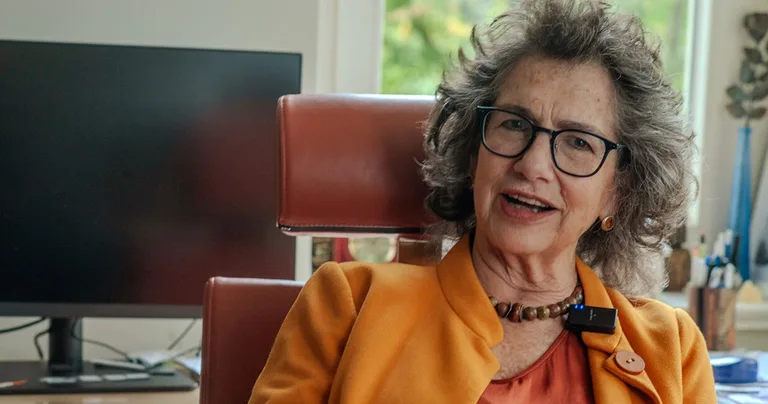
Professor Roger Watson is a retired academic, editor and writer. He writes regularly for a range of conservative journals including the Salisbury Review, the European Conservative and the New Conservative. He has travelled and worked extensively in the Far East and the Middle East. His Substack can be found here.


Discussion
Comments
This week across the site:
To join in with the discussion please make a donation to the Daily Sceptic.
Profanity and abuse will be removed and may lead to a permanent ban.