

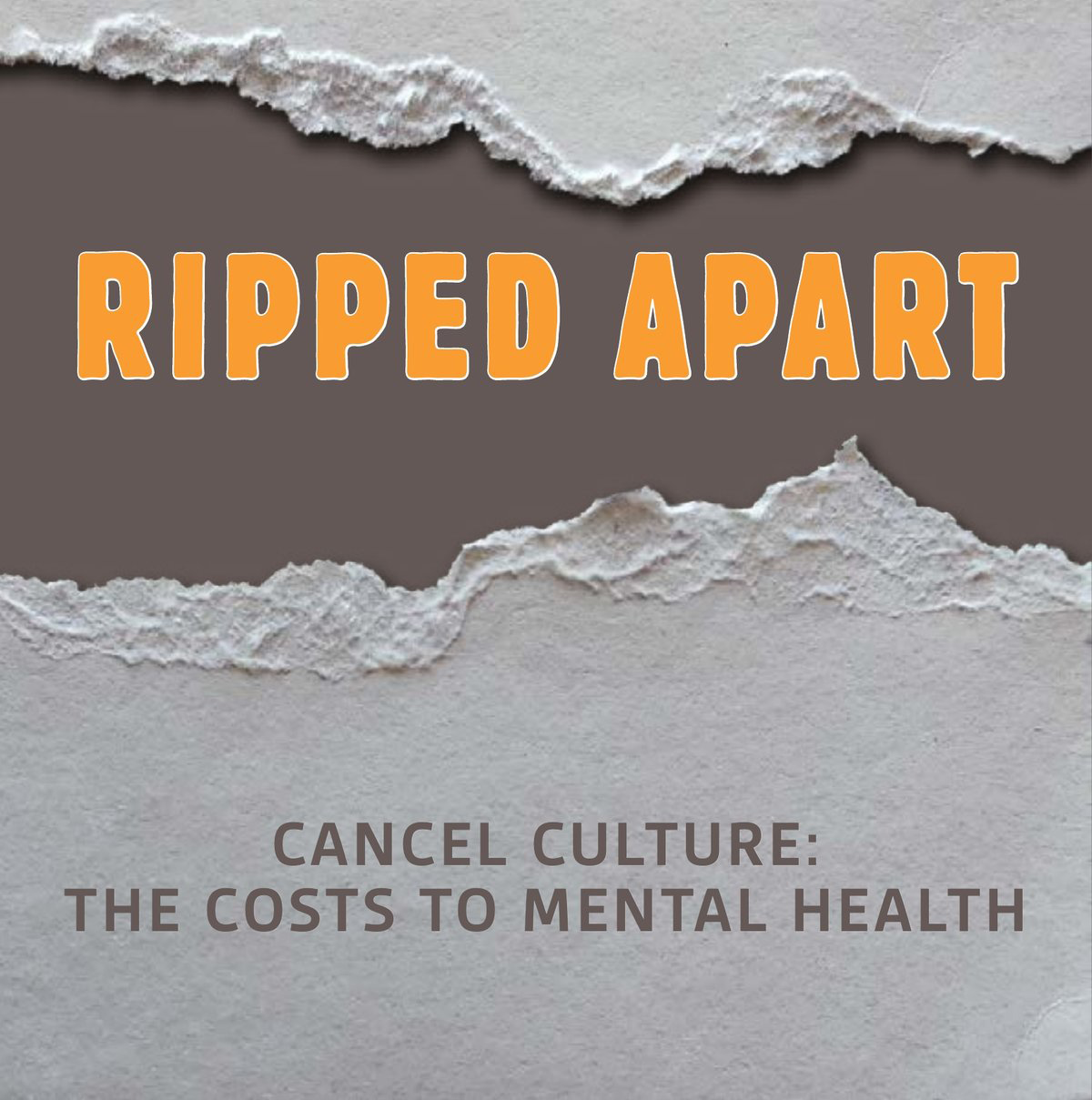
According to a new survey of Free Speech Union members, being cancelled takes a heavy toll on your mental health. It’s not just ‘holding people to account’. It can cause severe depression, even suicide. From the Mail:
According to a recent report by Big Brother Watch, a civil liberties group, between 34 and 40 people a day are being arrested for speech crimes, including making risque jokes. Only about 20% are found guilty, but those who aren’t risk having a ‘non-crime hate incident’ recorded against their name. The police are logging about 65 of those a day.
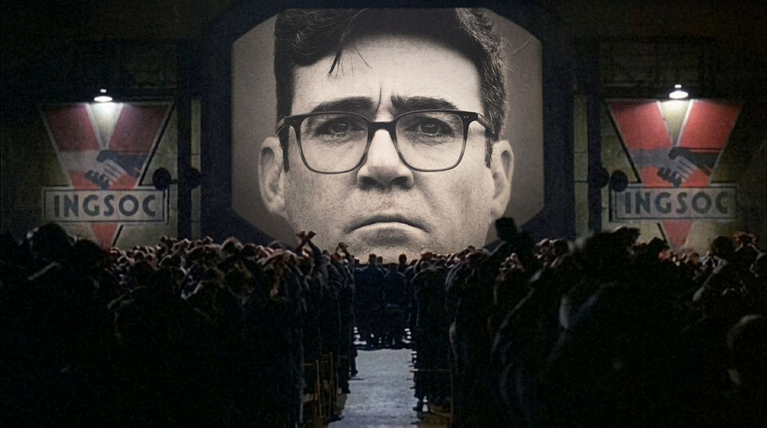
But it’s about to get worse. In a speech at the United Nations on Tuesday, Andy Burnham unveiled a new surveillance unit – the National Centre for Information Defence – designed to “stem the poisonous tide” of disinformation. The Prime Minister identified Russia as the biggest threat, but the agency, dubbed Labour’s ‘Ministry of Truth’, will soon start spying on the domestic population.
By my count, this new centre takes the total number of shadowy Whitehall bodies monitoring our speech to 10. Anyone posting something intemperate on social media about, say, the small boats or drag queen story hour, could well find themselves up before a magistrate or put through a disciplinary process at work.
In 2020, I set up the Free Speech Union (FSU) to protect people who get into trouble for ‘wrongthink’ and we’ve now fought over 6,500 cases – the tip of the iceberg.
But what is not often talked about is the mental health toll that cancellation takes on its victims. To this end, I welcomed the opportunity to collaborate with two clinical psychologists – Carole Sherwood and Andrew MacLeod – on a survey about the psychological impact of being cancelled. Of the 255 victims in their study – all people the FSU has helped – 80% said their mental health had been adversely affected, with 27% reporting they’d had to take medication as a result.
Even more alarming, 20% put themselves in the most severe depression category.
This comes as no surprise. The wellspring of the idea for the FSU came from my own experience of being cancelled in 2018. …
I was appointed to the board of the Office for Students, a new higher education regulator, and – as soon as it was announced – the offence archaeologists set to work, digging through everything I’d said or written, trying to find evidence I wasn’t a suitable person to serve on this esteemed public body. Because I’ve been an outspoken journalist for most of my career, it didn’t take them long to find a Tutankhamun’s tomb’s-worth of dodgy material. The things that got me into the most trouble were sophomoric comments on social media, such as a sick joke I made in 2009 following a BBC film about starving Africans on Red Nose Day.
Within weeks I’d had to step down from five different positions, including my full-time job running an education charity.
The first inkling that this experience was taking a toll on my mental health was when I stepped on the scales about seven days into my cancellation. At this point, a petition demanding that I be sacked from the Office for Students had attracted over 220,000 signatures. I looked down and discovered I’d lost half a stone. In a week! I wasn’t eating any less, but the sheer stress of being targeted in this way had led to rapid weight loss – the public humiliation diet. …
One thing that emerges from Carol and Andrew’s research is just how important family is when you’re going through one of these nightmares. Without the steadfast loyalty of my wife Caroline, I would have found my own cancellation immeasurably harder to deal with. I pity those who have to cope with such humiliation alone.
So I hope the report is a wake-up call to those who think cancel culture is nothing more than holding people to account for spreading hate or trafficking disinformation. Whatever they have said or done – and it’s nearly always said – they don’t deserve to find themselves wriggling at the end of a metaphorical pitchfork.
It’s a truly awful experience and I wouldn’t wish it on my worst enemy. At its most intense, it can lead to people taking their own life, as in the recent case of Jason Arday, the Cambridge professor exposed as a fabulist in the Press.
Worth reading in full.
Read the new report ‘Cancel Culture: The Costs to Mental Health’ here.

Discussion
Comments
This week across the site:
To join in with the discussion please make a donation to the Daily Sceptic.
Profanity and abuse will be removed and may lead to a permanent ban.
The worst thing is that people are not simply punished for offensive or outrageous speech (or that judged to be by the censors), but simply for telling the truth when it contradicts the government’s habitual lies. It is pure totalitarianism.
Well done to Lord Toby for turning the tables on his Communist Globalist persecutors by founding the Free Speech Union, fast becoming a worldwide phenomenon, for which he will go down in history!!!
Here is another victim who should join the FSU:
Belfast factory worker ‘sacked’ after confronting Muslims praying in changing room
Matthew McDonagh had worked at HOVIS, for Pete’s sake— that great traditional British company, for 20 years!
Then sacked for trying to get to his own locker blocked by odoriferous Muslim backsides pointed up at him!
Yet Toby remains a member of the party which was in government w=hen these disasters befell him and they gave him no help. They had encouraged, supported or at the most generous they had tolerated the development of the very groups and methods by which he was felled.
From before they took office in 2010 with the LibDems, the Tories had been enthusiastic about anything Blair and the left put forward.
Shame on them. Never forgive.
The Government could stem the tide of disinformation by a.) not pushing out their own ‘disinformation’, b.) proscribing left wing activist charities and NGO’s, and c.) closing the BBC.
You don’t even have to proscribe activist charities or close the BBC. Just defund them. An easier and less controversial way of rebalancing public debate, with no great political debate to wade through.